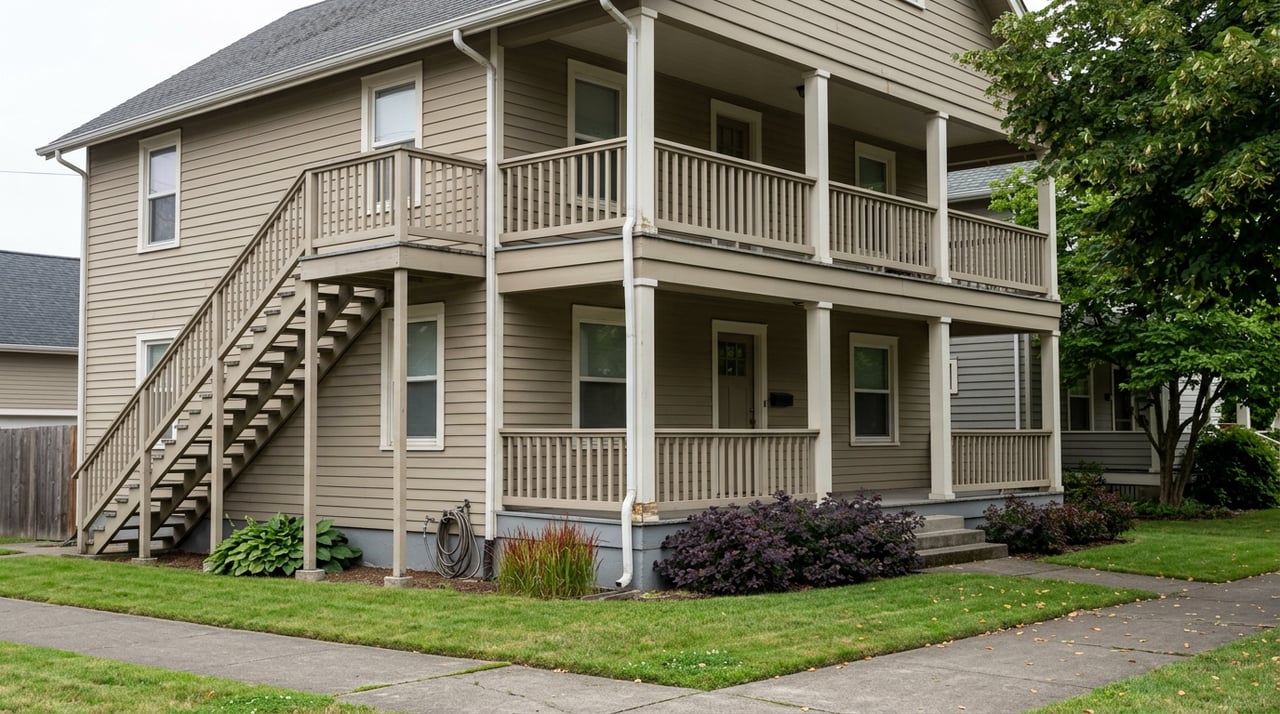
Minneapolis Won't Let You Show Your House Until This Happens First
August 20, 2026
August 20, 2026
Say you've spent the last few weekends painting the trim, hauling extra furniture to storage, and getting the yard photo-ready. You put the sign up on a Friday afternoon, tell your neighbors you're finally listing, and plan to open the doors for showings that weekend.
In Minneapolis, that plan can stall before it starts. The city requires a Truth in Sale of Housing evaluation on most residential sales, and the rule isn't just paperwork you file later. It has to happen within three days of the moment you first offer the property for sale, whether that's a listing going live, an ad running, or a sign going into the ground, and the city is explicit that a full report must exist before the property can be shown to a single buyer.
That timing detail is the part sellers miss, and it's not the only way Minneapolis's version of this rule works differently than people expect.
The evaluation isn't a general home inspection. A city-licensed evaluator, someone who works independently and isn't a city employee, comes through the property and writes a disclosure report on the condition of the building, inside and out. The report gets filed online where both the seller and the city can see it, and it lists anything that needs repair.
That last part is where Minneapolis starts to diverge from what a lot of sellers assume this process looks like, especially if they've sold a house in a different Minnesota city before.
Plenty of Minnesota cities have some version of a point-of-sale housing inspection, but they don't all function the same way once a problem turns up. St. Paul's version, for instance, is described by licensed evaluators as a "disclosure only" program, meaning required repairs are relaxed rather than mandatory, with one narrow exception: St. Paul's own program requires an operational hard-wired smoke detector, and if one isn't present or working, the report marks it as a hazard the owner has to correct.
Minneapolis doesn't stop at disclosure. The city's ordinance requires the repair or replacement of items the evaluator declares a health or safety hazard. A seller can still choose not to fix it, but choosing that route means the transaction now carries a legal step that St. Paul's process doesn't require.
| Minneapolis | St. Paul | |
|---|---|---|
| When it's required | Within 3 days of listing, before any showing | Before the property is marketed |
| What happens if something's flagged | Repair required, or buyer signs formal responsibility for it | Disclosed only, with one exception for smoke detectors |
| How long the report is valid | Two years, or until the property sells | One year |
| Covers | Single-family, duplex, townhouse, first-time condo conversion | Single-family, duplex, condo, townhouse |
That repair requirement is the whole reason this matters more in Minneapolis than the phrase "Truth in Sale of Housing" makes it sound.
A report that says "disclosure only" and a report that says "fix this or your buyer inherits it" are not the same document, even when they share a name.
Minneapolis gives sellers a way out of completing repairs before closing, but it isn't automatic and it isn't quiet. The process requires a specific sequence:
This is a real administrative step that shows up in the closing paperwork, not a formality either side can skip. If a seller doesn't realize this is coming, it can surface as a surprise during the final week of a transaction, right when both sides want things to move quickly.
The good news is that most of what gets flagged is fixable without much drama, and a lot of it is fixable before the evaluator ever arrives. The city's own checklist points to items like a missing backflow valve on a boiler, a missing or broken temperature-and-pressure relief valve on a water heater, improper furnace or water heater venting, and open electrical junction boxes with uncapped wires. Several of these require a permit to fix, and some can only be handled by a licensed contractor in that trade.
Local evaluators report a similar pattern in the field. Common required repairs tend to be hazardous wiring, plumbing leaks, and damaged windows or railings, the kind of wear-and-tear items that accumulate in older housing stock without anyone noticing day to day.
Because evaluators are private contractors who set their own prices, cost and turnaround vary depending on who you hire. Evaluations typically run $200 to $400, and if a repair needs a second look, that reinspection comes with an additional fee, often around $50. Getting a few quotes before choosing an evaluator is worth the extra phone call, since the city doesn't set or recommend pricing.
The practical move for a lot of sellers is walking through the common-repair list before scheduling anything. Tightening a loose junction box cover or capping stray wires costs almost nothing if you catch it yourself. Catching it after the report is filed means it's now part of the official record tied to your address.
A Minneapolis TISH report stays valid for two years or until the property sells, whichever comes first. That window matters more than it sounds like it should. A seller who had a TISH done last year and then paused the sale for personal reasons may not need a new one, provided the ownership hasn't changed and the report hasn't expired. On the flip side, once a home does sell, the new owner needs a fresh report before they can list again themselves. There's no such thing as a TISH report that transfers with the deed.
Does the TISH evaluation replace the inspection a buyer will order? No. The city's evaluator looks at the condition of the building for the disclosure report, but a buyer's own inspector is working for the buyer and will typically look at different things in different depth. Expect both to happen in a normal Minneapolis sale.
What if my TISH report is from a sale that fell through? If it's still within the two-year window and the property hasn't changed ownership, that report can still be valid. It's worth checking the filing date before assuming you need to start over.
Does a brand-new house or a condo I already own need one of these? Newly built homes with a valid Certificate of Occupancy are generally exempt, and previously-owned condos fall outside the TISH requirement as well. Single-family homes, duplexes, townhouses, and first-time condo conversions are the categories that need the evaluation.
If you're getting a Minneapolis property ready to list and want to walk through what your specific situation actually requires, from timing the evaluation correctly to knowing which repairs are worth handling yourself before an evaluator ever sets foot on the property, Minnesota Home Girls is happy to talk it through with you at whatever stage you're at. Contact Us.
Stay up to date on the latest real estate trends.






We'd love to hear from you! Whether you're buying, selling, or just exploring your options, we're here to provide answers, insights, and the support you need. Contact us and start planning your next move.